

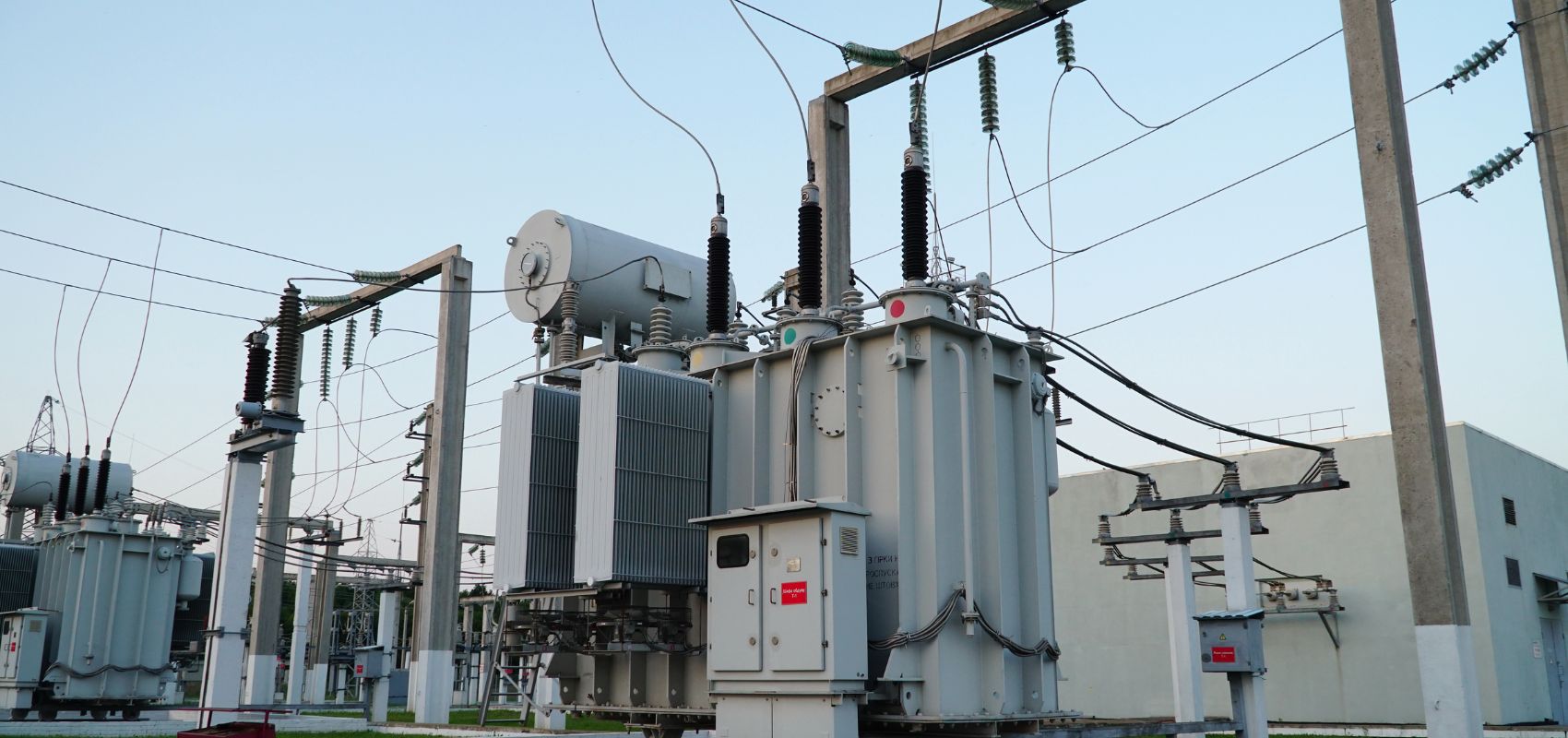
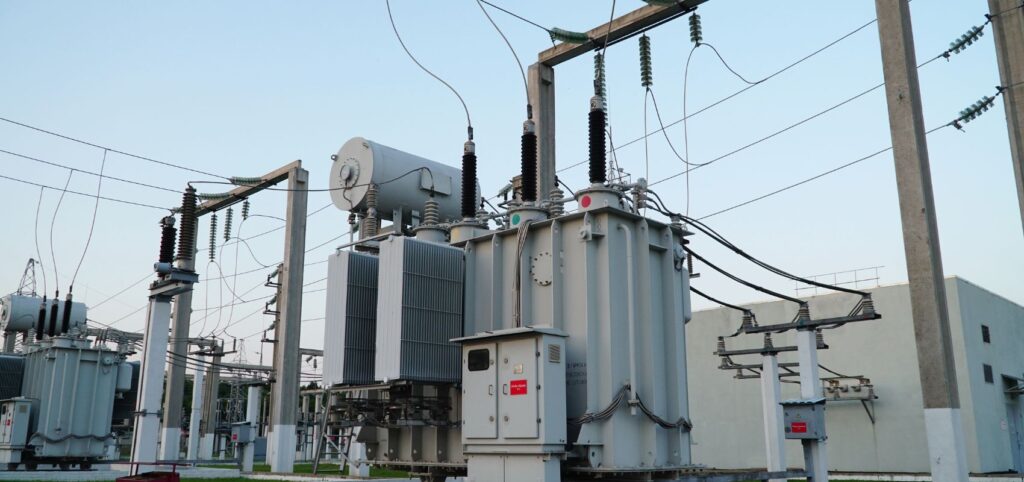
Transformers are critical components of modern electrical infrastructure, enabling the efficient transmission and distribution of electricity across vast networks. While transformers often operate quietly in the background, their efficiency directly impacts energy consumption, operating costs, and overall grid reliability.
What is Transformer Efficiency?
Transformer efficiency refers to the ratio of output power delivered to the load versus the input power supplied to the transformer. Ideally, a transformer would operate with 100% efficiency, but in reality, some energy is always lost in the form of heat.
The two primary categories of transformer losses include:
Core Losses (No-Load Losses)
These occur in the transformer’s magnetic core when voltage is applied, regardless of whether the transformer is supplying load current. Core losses are mainly caused by hysteresis and eddy currents within the core material.
Copper Losses (Load Losses)
Copper losses occur in the transformer windings when current flows through them. These losses are proportional to the square of the current and increase with higher electrical load.
Why Efficiency Matters
Transformer efficiency becomes particularly important because transformers typically operate continuously for decades. Even small efficiency improvements can lead to significant energy savings over the lifetime of the equipment.
Key benefits of high-efficiency transformers include:
- Reduced operating costs
- Lower heat generation
- Extended equipment lifespan
- Improved environmental sustainability
- Compliance with global energy efficiency standards
Modern Approaches to Improving Efficiency
Advancements in transformer design and materials have significantly improved efficiency in recent years. Some key improvements include:
- Use of high-grade electrical steel for transformer cores
- Precision lamination manufacturing
- Improved insulation materials
- Optimized winding configurations
- Better cooling systems
Utilities and industrial facilities increasingly prioritize high-efficiency transformers to meet energy regulations and reduce operational costs.
Conclusion
Transformer efficiency plays a crucial role in modern energy infrastructure. As demand for electricity continues to grow, improving transformer efficiency remains one of the most effective ways to reduce energy waste and support sustainable power systems.